


The Climate Roundup
|
Apr 05 2026
The Climate Roundup
|
Land
Winter Olympic PFAS Ban, Rivers Are Alive, & Everyone Wants Solar, Actually
Welcome to The Climate Roundup newsletter. Your weekly edit of the climate and environmental stories shaping our planet and our culture and how the two are deeply connected. We live in a global ecosystem shaped by human decisions. Let’s make good ones.
Sign up for The Climate Roundup weekly newsletter here
New Rule
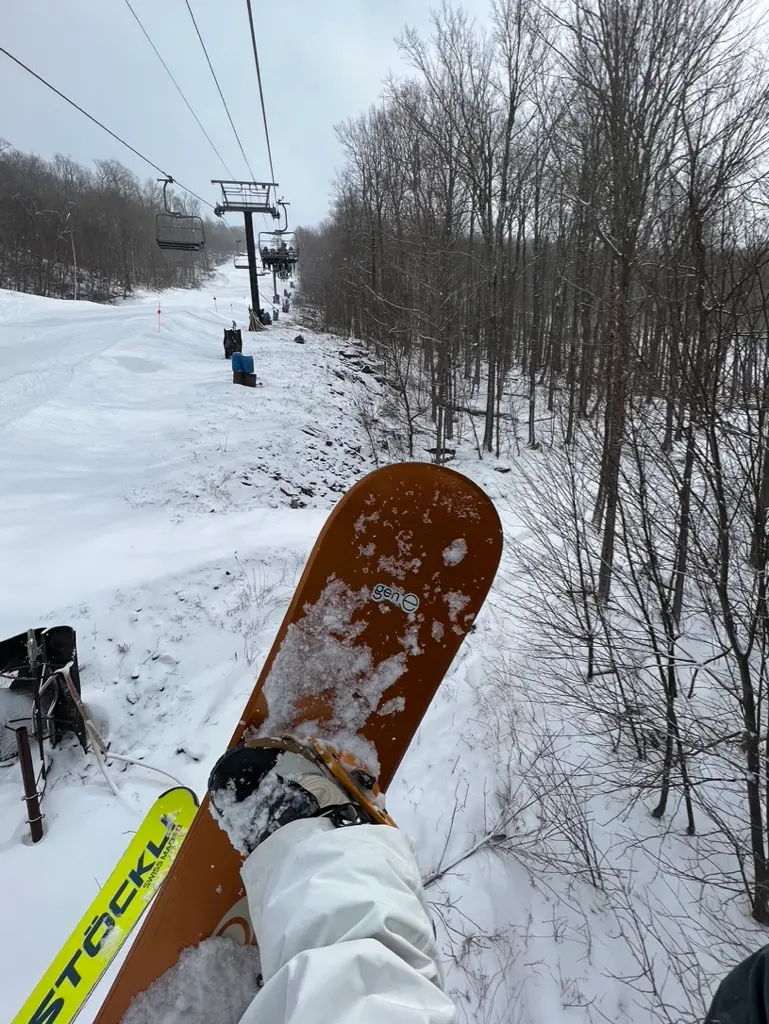
A new rule came into effect at this year’s Winter Olympics: a ban on PFAS, aka “forever chemicals”, used in wax for snowboards and skis. Now, equipment that tests positive for PFAS will result in an athlete’s disqualification, and that’s exactly what happened to one snowboarder and two skiers at the recent Games. The rule to ban these toxic chemicals comes from a good place. They are proven to cause major health complications in humans and are found in our soil, air, water, and in our blood. Without a doubt, the entire class of the human-created, virtually indestructible PFAS chemicals should be banned from ever being created again on planet Earth. The Olympic body wants to help keep them out of the remote environments where the winter sport athletes get to play.
But instead of disqualifying Olympic athletes, who are using the products available to them, can we instead disqualify the companies using PFAS to make their products in the first place? Disqualify them from the privilege of entering into the competitive marketplace of retail. Capitalism is a game, after all – one we made up. There are winners and losers. Arguably, there are rules, though the game can easily be rigged, and cheating is tolerated widely and deeply, spanning from tax loopholes, subsidies, political influence, and zero accountability for what happens to a product once it leaves the warehouse. These highly questionable factors largely shape our society. The very real social and environmental costs of a product or service are rarely paid by the makers. Think: the mental harm and degradation to/of human brains from social media (Generative AI will surely further this decline, if we let it) to the catastrophic warming of our planet from burning coal, oil, and gas. We watch as the big players in these industries continue their dynasties.
The rulebook on capitalism must be updated. Just like we’ve seen updates to Major League Baseball rules of the game, for example, like putting a limit on how long a pitcher can take between pitches, in order to modernize the game for today’s audience (even if, ironically, the rule change is a reflection of shorter attention spans caused in part by the aforementioned digital media use). Today’s citizens and consumers deserve better than current business behavior, because that behavior impacts us all.
Companies that choose to use known toxins in their products should be sidelined. Businesses that are polluting the environment in any way, from spewing dirty and planet-warming gases into our air to dumping waste into our waterways to manufacturing products that will never decompose to treating animals inhumanely, guess what? You’re out! These are all disqualifiers from the global marketplace. Not fines, but total elimination from the game. Because as it stands now, allowing these ‘cheaters’ to win in the marketplace is the equivalent of giving everyone, no matter what, a trophy. What, then, are we playing for?
When it comes to Olympic athletes and their use of wax and equipment necessary for them to live their dream, don’t punish the end user, punish the makers and their game. That game is unchecked capitalism. And while end users, aka consumers, do have a responsibility to exercise discretion regarding their everyday choices, they should be able to choose among products with integrity. Integrity must be the baseline from which we build. It’s time to adopt a zero tolerance policy for the companies that violate the integrity of human, wildlife, and resource health with their products and business activity. We made up these rules to begin with. Surely we can take a cue from sports and update them with new, more appropriate rules for today’s state of play. Starting with: play right or go home.
Philanthropy At Work:
👩⚖️️ NRDC and EDF are two of over a dozen environmental and public health groups suing the terrible Trump administration and the despicable Lee Zeldin, EPA administrator, for their repeal of the endangerment finding. We are proud to be supporting them in this landmark battle for the regulation of harmful greenhouse gas pollution in our country.
🦪 If you live in the NYC area and want to volunteer with Billion Oyster Project to help restore oyster reefs in our city’s waterways, check this page for openings.
Environmental News:
☣️ The Potomac River is the victim of a major and historical ecological disaster. Over 200 million gallons of raw sewage flooded into the river for at least a week in January, causing damage now and over time as the toxic filth continues its path of contamination downstream, into the Chesapeake Bay, and ultimately into the Atlantic Ocean. Unfortunately, a combination of intentional and accidental dumping of human-made waste has polluted our precious freshwater resources for centuries. In this case for the Potomac, it’s likely the fault of archaic infrastructure that sorely needed to be replaced, as is the case all across the country and for nearly all types of infrastructure, whether it be sewage systems, mass transit, bridges, or pipelines. This country is running on version 1.0 heading for mass crash, when we should’ve upgraded to v2026 long ago. Our thoughts and love are with all the impacted life of the Potomac River.
🇧🇷 Deforestation in Brazil’s Amazon rainforest is declining, which also means their country’s emissions are declining! Brazil is on pace to hit the lowest levels of tragic rainforest clearing since 2014, due to stronger enforcement of this illegal activity. Keep it up, President Lula!
🧾 More states are following in the footsteps of Vermont and New York by moving forward with Climate Superfund bills, which would make fossil fuel companies pay for the on-the-ground damage caused by extreme weather events fueled by the climate crisis they ushered in. Advances in attribution science now make it possible to link historic emissions to extreme weather events. There is also ample data on emissions caused by these fossil fuel companies individually, which means calculations can be made to divvy up their share of the cleanup bill. Dig into the details on Climate Superfund Laws here.
💪 But wait, there’s moreclimate action coming from states! Colorado is offering its own version of an EV credit to encourage clean vehicle adoption. Virginia passed legislation to stop local government bans on solar farms (a major NIMBY problem there), and California is trying to make fossil fuel companies help pay for homeowner’s insurance, since their products are causing the proliferation of wildfires in the state.
🚫 Another week, another rollback in pollution protections from the EPA. This time, it is allowing for coal plants to discharge more mercury, lead, and arsenic into our air. Why? To keep the dying coal industry alive by reducing their costs, at the expense of common sense regulations to protect human health. Because even though the technology exists for power plants to reduce cancer-causing and brain-damaging particulate matter from their smoke stacks, the dirty energy industry has proven time and time again that they won’t do the right thing unless they are forced to. And it should be the role of our government to force them to, in order to keep us safe. Not this government, though. MAHA’s, where you at?
Red States Want Solar
Yes, A River Is Alive:
🎣 The Colorado River has been granted legal personhood from the Colorado River Indian Tribes (CRIT), in order to apply the legal protections enjoyed by humans to the imperiled river, which is facing its worst drought in 1,200 years. Meanwhile, the 7 states that use the Colorado River’s water for drinking and agriculture failed to negotiate a new allocation deal (a 100 year old collaboration) for each state’s ‘fair’ share of water, and now the federal government will decide for them. However it shakes out, all states will need to significantly cut their water use and employ conservation efforts.
📖 Related, I recently finished reading the book, “Is A River Alive?” by Robert Macfarlane, and the answer is resoundingly yes. The book follows the author on three journeys to three different at-risk or highly polluted rivers in Ecuador, India, and Canada. All the rivers and their ecosystems have very different personalities, and it’s very clear that all are the source of life for countless species, including humans, and ecosystems. I recommend reading it if you want to deepen your understanding and appreciation for one of Earth’s best gifts to us. And it’s a beautiful read.
🍁 And finally, we’ll end on a fun (non-river) thing: maple syrup season is coming! March seems to be the month to take a “maple weekend” trip and visit the sugarhouses that make maple syrup and all the goodies flavored by it. These trips sound like brewery tours, only sweeter, and with guaranteed nature activities, as you’ll visit with the trees that give us this tasty treat. Quebec is most known for maple, but plenty of US states are producers, such as Vermont, Wisconsin, and Ohio (who knew?!).