

Climate Change
|
Jul 03 2026
Nature
|
Biodiversity
The US Forest Service Reorg & Other Clearcutting Nobody Asked For
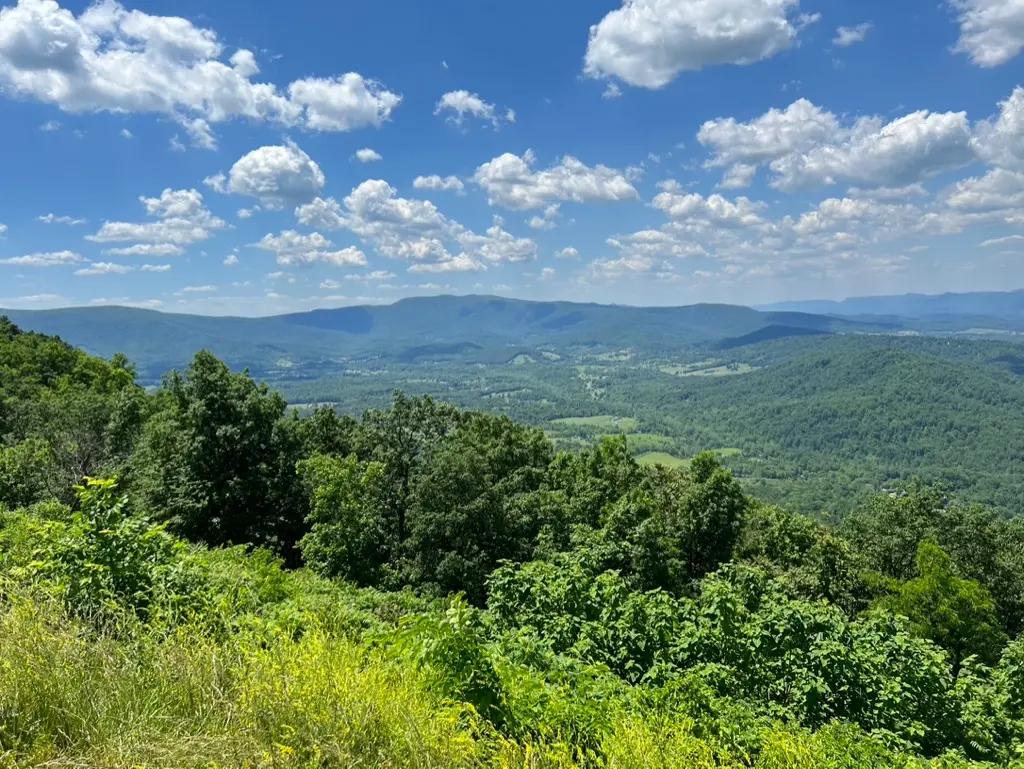
The recent announcement from the Trump administration to “reorganize” our country’s U.S. Forest Service seems to be breaking through the polluted airways and hitting a national nerve. Good. People love trees, and thank goodness for that shared sentiment. This love appears to be allowing many of us to see through the Department of Agriculture’s guise of a Forest Service reorg for what it is: a dismantling for business interests, not for the benefit of taxpayers. The public response has been so strong that the USDA felt the need to issue a rebuttal on their website. We’re not falling for it.
Our nation’s Forest Service has been around since 1905. Housed under the Department of Agriculture, it is responsible for 193M acres of forest and grassland, representing 154 national forests and 20 national grasslands. The original intention of the Forest Service was to maintain a lasting ecosystem for the enjoyment and responsible benefit of humans and wildlife alike. Though a “sustainable timber” practice was always part of the vision, the USFS has always been subject to the whims of the strain of politician who only sees dollar signs and the opportunity to dominate and deplete our country’s natural resources. Timbering, fossil fuel extraction, mining, and the construction of roads that go along with all those extractive activities are the everlooming dark forces rabid to raze what is left of our pristine public lands. Our Forest Service must manage these business interests and the shifting political mandates alongside the duty of maintaining the overall health and longevity of our forested lands.
Unfortunately, we have the most rabid of destroyers in the seat of the presidency, whose administration is working right now to revoke the 2001 Roadless Rule, which protects 58M acres, or 30%, of our country’s remaining wilderness from any human development. Our wilderness is truly our last frontier. Last year, when Secretary of Agriculture, Brooke Rollins, announced intent to revoke the Roadless Rule, over half a million citizens contributed public comments voicing their opposition, as did an array of interest groups from hunters to wildfire fighters to outdoor adventurers. Is anything sacred, we collectively ask?
Also early last year, this administration issued an executive order to mandate a 25% increase in timber production on federal land, followed by a USDA “emergency declaration” that the Forest Service allow fast-tracked logging within our protected forests, a determination that allows businesses to avoid the usual protocols for their plundering, including skirting environmental reviews.
These examples of bulldozing roads into existence and clear-cutting forests have long-term, negative effects, not only on the local ecosystems of wildlife in terms of disrupting their migration routes, habitats, and food sources, but also on the millions of Americans who rely on our intact forests for drinking water filtration and the sorely undervalued right to enjoy untouched nature.
As for the U.S. Forest Service “reorg”, many believe this is a clearcutting of obstacles (ie employees, scientists, research capabilities) in the way of extractive industry, and will allow these industries to more easily invade and pillage our public lands. The changes include relocating the USFS headquarters from D.C. to development-friendly Utah, shuttering all 9 regional offices, and eliminating 57 of 77 research facilities across the country. These offices represent a forest ecosystem of their own. Each location houses place-specific experts in forestry whose life’s work is to study and understand the nuances of forests and their ecosystems all across our diverse terrain. Scientists in forestry and ecology study how to prevent and manage wildfire, how forests and species populations can recover after devastation from fire, drought, and pests; they do water quality studies, trail management, and study how climate change is impacting all of it. All hugely important topics that require decades of study.
The impact of this Forest Service reorg remains to be seen. But if it follows in the footsteps of recent DOGE tactics (5,860 forest service jobs were lost last year) and previous federal office relocations and closures (87% of BLM employees left after the agency moved its HQ to another state during the last Trump term), it’s likely that many employees will leave, taking with them the knowledge, experience, and care our forests deserve.
Our public lands should be safe from extractive industries and self-interested politicians. So many people from our country’s history fought for years, even lifetimes, to secure the preservation and legally responsible management of our national treasures. They did it for us. We must continue the legacy of environmentalism. It is our right, our privilege, and our responsibility.